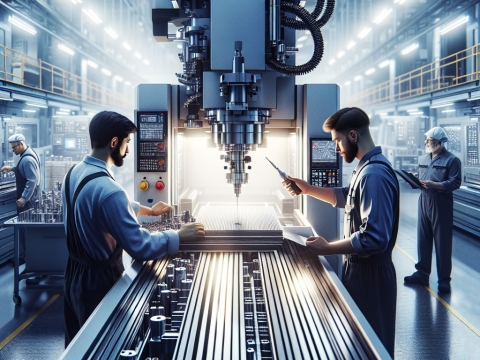
Investir em uma máquina CNC é uma das decisões mais impactantes que um pequeno empresário pode tomar. Seja você dono de uma oficina de marcenaria, um estúdio de fabricação de metal ou um negócio artesanal em casa, a tecnologia de controle numérico computadorizado pode transformar matérias-primas em produtos de precisão com uma velocidade e consistência que as ferramentas manuais simplesmente não conseguem igualar. O mercado global de máquinas CNC está avaliado em mais de [valor omitido]. $1O mercado de CNC (usinagem CNC) está avaliado em US$ 00 bilhões e projeta-se que quase dobre até 2032, impulsionado pela demanda por automação nos setores automotivo, aeroespacial, médico e de bens de consumo. Esse crescimento reflete uma mudança mais ampla: empresas de todos os portes estão adotando a tecnologia CNC para se manterem competitivas.
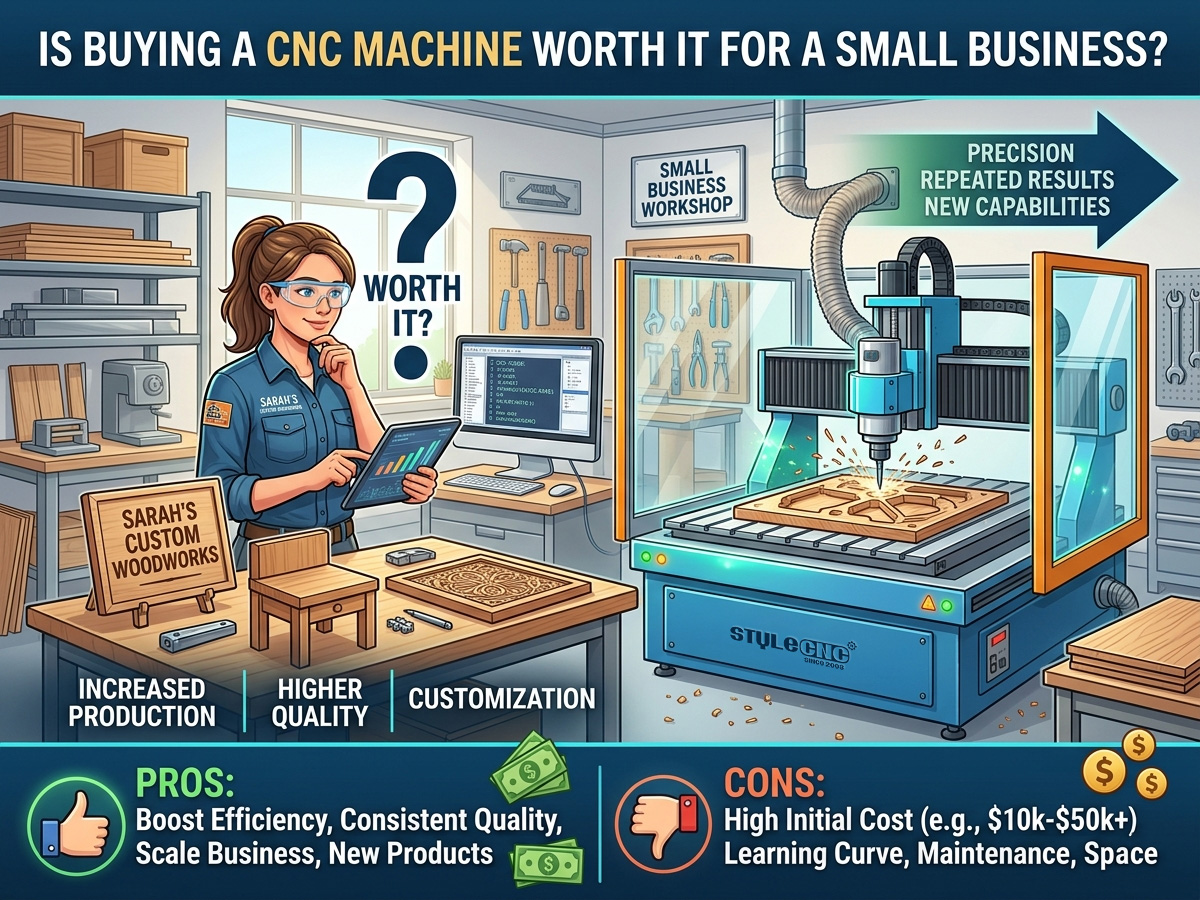
Mas a questão prática permanece: uma máquina CNC é um bom investimento para a sua situação específica? Este guia detalha os custos reais, o potencial de lucro, os parâmetros de retorno e as considerações estratégicas para que você possa tomar uma decisão informada antes de investir seu capital.
O que uma máquina CNC realmente faz por uma pequena empresa?
Uma máquina CNC lê arquivos de design digital e os traduz em cortes, entalhes, gravações ou soldas físicas precisas em materiais como madeira, metal, acrílico, pedra e plástico. Para uma pequena empresa, isso significa que é possível produzir de tudo, desde componentes de móveis e sinalização personalizados até peças industriais e presentes personalizados, tudo com precisão repetível e intervenção manual mínima.
As vantagens práticas para pequenas operações incluem consistência de lote (cada peça corresponde ao arquivo digital), prototipagem rápida para novas ideias de produtos e a capacidade de atender a pedidos personalizados sem a necessidade de contratar mão de obra especializada para cada tarefa. Uma única Roteador CNC para pequenas empresas Pode lidar com fabricação de placas, componentes de armários, 3D Entalhes e painéis decorativos, substituindo efetivamente 3 ou 4 processos manuais.
Quanto custa abrir uma empresa de máquinas CNC?
Os custos iniciais variam bastante dependendo do tipo de equipamento CNC, dos requisitos de espaço de trabalho e da escala de operações que você pretende iniciar. Abaixo, apresentamos uma análise realista dos custos para pontos de partida comuns:
| Tipo de Negócio | Custo do equipamento | Inicialização Total | Mais Adequada Para |
|---|---|---|---|
| CNC para hobby em casa | 2,000 $ - $8,000 | 3,000 $ - $12,000 | Vendedores do Etsy, artesãos, trabalhos extras |
| Pequena Oficina | 8,000 $ - $30,000 | 15,000 $ - $50,000 | Placas personalizadas, móveis, peças em pequenos lotes. |
| Oficina Mecânica Profissional | 30,000 $ - $100,000+ | 60,000 $ - $200,000+ | Fabricação por contrato, peças industriais |
| Estúdio de Corte a Laser | 3,000 $ - $50,000 | 6,000 $ - $70,000 | Serviços de gravação, corte e marcação |
Os custos iniciais totais incluem não apenas a máquina em si, mas também licenças de software (pacotes CAD/CAM), ferramentas e brocas, coleta de poeira ou exaustão de gases, modificações no espaço de trabalho e matérias-primas iniciais. Para uma análise de preços detalhada, explore o pacote completo. Guia de custos de roteadores CNC Comparar modelos em diferentes faixas de orçamento.
Um negócio de usinagem CNC é lucrativo? Dados reais de lucros?
A resposta curta é sim, mas a rentabilidade depende do seu nicho de mercado, da sua política de preços e da eficiência com que você mantém sua máquina em funcionamento. Dados do setor mostram que operações CNC bem gerenciadas atingem os seguintes patamares:
| métrico | Loja pequena/doméstica | Loja Profissional |
|---|---|---|
| Receita anual (por máquina) | 30,000 $ - $80,000 | 150,000 $ - $400,000 |
| Margem de lucro bruto | 20% - 40% | 20% - 50% |
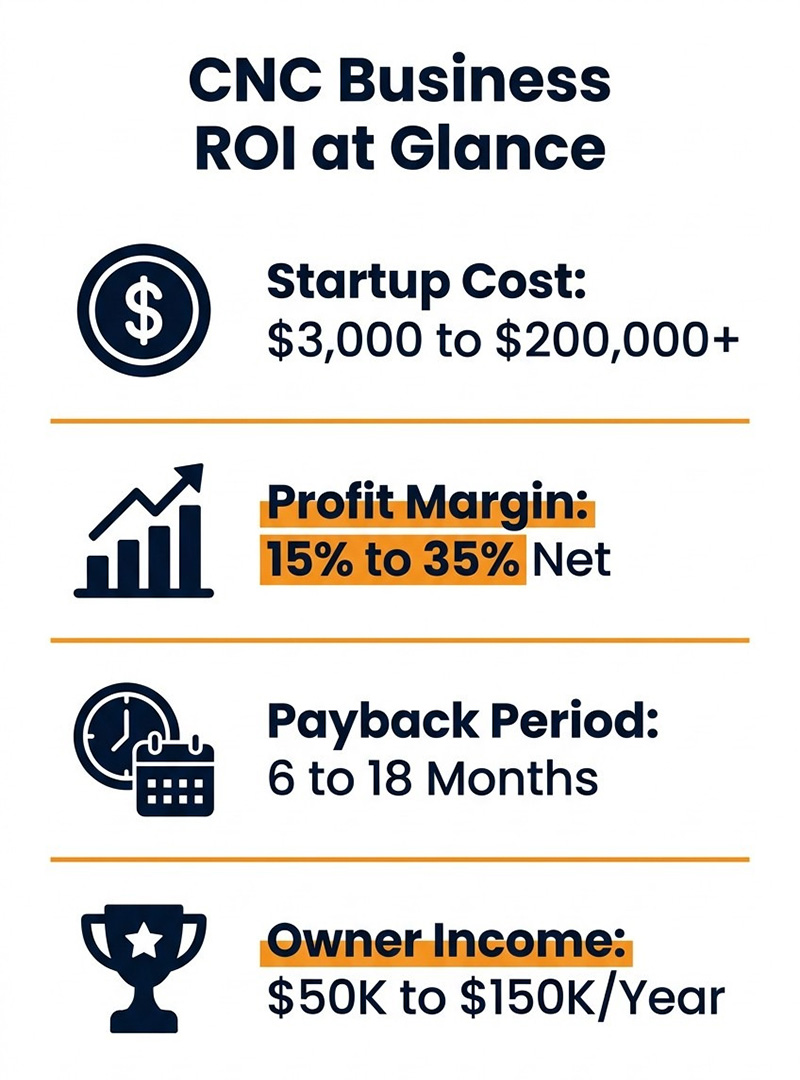
| Margem de lucro líquido | 10% - 25% | 15% - 35% |
| Período típico de retorno do investimento | 6 - 18 meses | 2 - 5 anos |
| Renda anual do proprietário | 30,000 $ - $70,000 | 50,000 $ - $150,000+ |
Os proprietários de oficinas de usinagem CNC nos Estados Unidos ganham entre $50,000 e $150,000 anualmente, dependendo do tamanho da oficina, localização geográfica, especialização e nível de automação. Os operadores que atuam nos nichos aeroespacial e de dispositivos médicos relatam consistentemente as maiores margens, porque esses setores exigem tolerâncias rigorosas e documentação minuciosa, criando barreiras naturais à concorrência de baixo custo.
Para quem está avaliando se um roteador justifica o investimento, este guia é importante. Análise de ROI de roteador CNC Aborda em detalhes os cálculos do ponto de equilíbrio.
Projetos CNC mais lucrativos para pequenas empresas
Nem todo trabalho de usinagem CNC gera o mesmo retorno. Os projetos mais lucrativos combinam alto valor percebido, baixo custo de material e forte demanda de mercado. Com base em dados de vendas atuais de plataformas como Etsy, Amazon Handmade e canais B2B diretos, essas categorias oferecem consistentemente as melhores margens:
| Categoria do projeto | Preço médio de venda | Custo material | Margem de lucro |
|---|---|---|---|
| Placas de madeira personalizadas | 50 $ - $300 | 5 $ - $30 | 60% - 80% |
| Tábuas de corte personalizadas | 40 $ - $120 | 8 $ - $20 | 55% - 75% |
| Peças de mobiliário personalizadas | 200 $ - $2, 000 + | 40 $ - $400 | 40% - 60% |
| Peças de fabricação de metal | 100 $ - $5, 000 + | 20 $ - $1,000 | 30% - 50% |
| Presentes gravados a laser | 15 $ - $80 | 2 $ - $10 | 70% - 85% |
| 3D Esculturas e arte em relevo | 100 $ - $500 | 10 $ - $50 | 65% - 80% |
Empreendedores que exploram fluxos de renda baseados em laser podem consultar o Guia completo para iniciar um negócio de corte a laser para seleção de equipamentos, estratégias de precificação e estruturas de aquisição de clientes.
Principais fatores que determinam o retorno do investimento em CNC
Diversas variáveis afetam diretamente se sua máquina CNC se tornará um centro de lucro ou um ativo depreciável acumulando poeira. Compreender esses fatores antes da compra é fundamental:
Taxa de utilização da máquina
O fator mais importante para prever a lucratividade. Oficinas que mantêm suas máquinas CNC em funcionamento. 40+ horas por semana quebram ainda mais rápido. Meta: pelo menos 50% Atingir 65% da utilização das horas de máquina disponíveis para cobrir as despesas gerais e gerar lucro.
Seleção de nicho
As empresas de produção em massa competem quase exclusivamente com base no preço. Já as empresas especializadas, seja em componentes aeroespaciais, marcenaria sob medida, trabalhos arquitetônicos ou produtos de consumo personalizados, cobram preços mais altos e enfrentam menos concorrência.
Estratégia de preços
A subestimação do preço é o modo de falha mais comum para novas empresas de usinagem CNC. Sua tarifa deve cobrir a depreciação da máquina, o desgaste das ferramentas, o desperdício de material, o tempo de preparação, o tempo de projeto, as despesas gerais e uma margem de lucro saudável. A tarifa típica de uma oficina de usinagem CNC varia de $50 a $120 por hora para projeto e usinagem combinados.
Fornecimento de materiais e gestão de resíduos
Comprar matérias-primas a granel, organizar as peças de forma eficiente no software CAM e reaproveitar sobras para produzir itens menores são ações que contribuem para a melhoria da margem de lucro ao longo do tempo.
Tipos de máquinas CNC: como escolher a ideal para o seu negócio
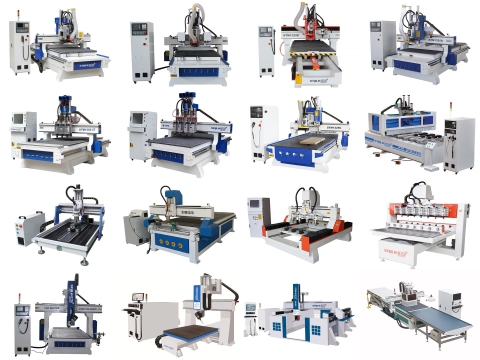
Selecionar o equipamento CNC correto é a base para uma operação bem-sucedida. Cada tipo de máquina atende a diferentes materiais, setores e faixas de preço:
| Tipo de máquina | Faixa de preço | Melhores materiais | Aplicativos ideais |
|---|---|---|---|
| Roteador CNC | 2,000 $ - $80,000 | Madeira, MDF, acrílico, espuma, metais macios | Móveis, placas, armários, 3D esculturas |
| gravador a Laser | 300 $ - $30,000 | Madeira, couro, vidro, acrílico, metal revestido | Personalização, presentes, identidade visual, protótipos |
| Fibra de corte a laser | 15,000 $ - $300,000+ | Aço, alumínio, cobre, latão, titânio | Peças de chapa metálica, fabricação industrial |
| Plasma Cutter | 5,000 $ - $60,000 | Aço macio, aço inoxidável, alumínio (espesso) | Arte em metal, peças estruturais, fazenda/rancho |
| Fresadora CNC | 8,000 $ - $150,000+ | Metais, plásticos de engenharia | Peças de precisão, prototipagem, ferramentas |
Quem compra um imóvel pela primeira vez deve começar pelo Guia completo de compra de roteadores CNC É necessário compreender a rigidez da estrutura, a potência do eixo, os sistemas de controle e a compatibilidade do software antes de comparar modelos específicos.
Passo a passo: Como iniciar um pequeno negócio de CNC
Abrir um negócio de usinagem CNC exige uma abordagem estruturada. Siga estes passos para minimizar os riscos e acelerar o seu caminho para a rentabilidade:
Passo 1. Pesquise o mercado local. Identifique quais setores próximos a você precisam de serviços de usinagem CNC. Empresas de sinalização, marcenarias, fabricantes de estruturas metálicas e organizadores de eventos são clientes iniciais comuns.
Passo 2. Escolha um nicho antes de escolher uma máquina. Seu mercado-alvo determina o tipo de máquina, o tamanho da mesa, a potência do fuso e o conjunto de softwares necessários.
Etapa 3. Calcule o custo total de propriedade. Considere ferramentas, software, materiais, manutenção, coleta de poeira, energia e aluguel do espaço de trabalho, além do preço da máquina. Consulte o Análise de custos de máquinas CNC para trabalhar madeira para figuras detalhadas.
Passo 4. Crie um portfólio antes do lançamento. Desenvolva de 10 a 15 produtos de amostra que demonstrem as capacidades da sua máquina. Fotografe-os profissionalmente para o seu site e redes sociais.
Passo 5. Defina preços lucrativos desde o primeiro dia. Calcule o preço da sua oficina dividindo todas as despesas gerais mensais pelas horas de produção disponíveis e, em seguida, adicionando a sua margem de lucro desejada.
Etapa 6. Invista em marketing e presença digital. Um site profissional, SEO local, perfil comercial no Google e anúncios em marketplaces como Etsy ou Amazon Handmade impulsionam o fluxo inicial de pedidos.
Etapa 7. Expanda com automação. À medida que o volume aumenta, adicione trocadores automáticos de ferramentas, fluxos de trabalho de processamento em lote e software de aninhamento para aumentar a produtividade sem aumentar proporcionalmente a mão de obra.
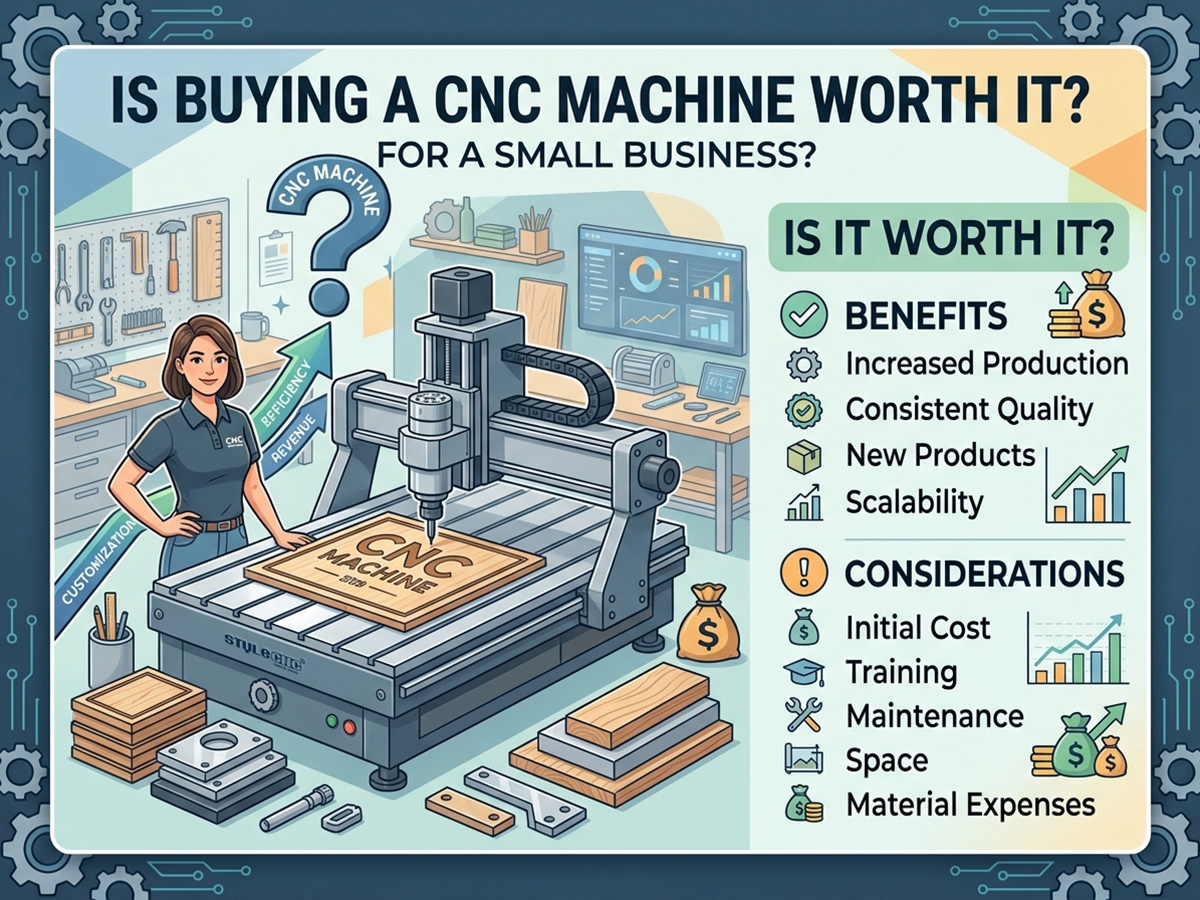
Prós e contras de comprar uma máquina CNC para uma pequena empresa
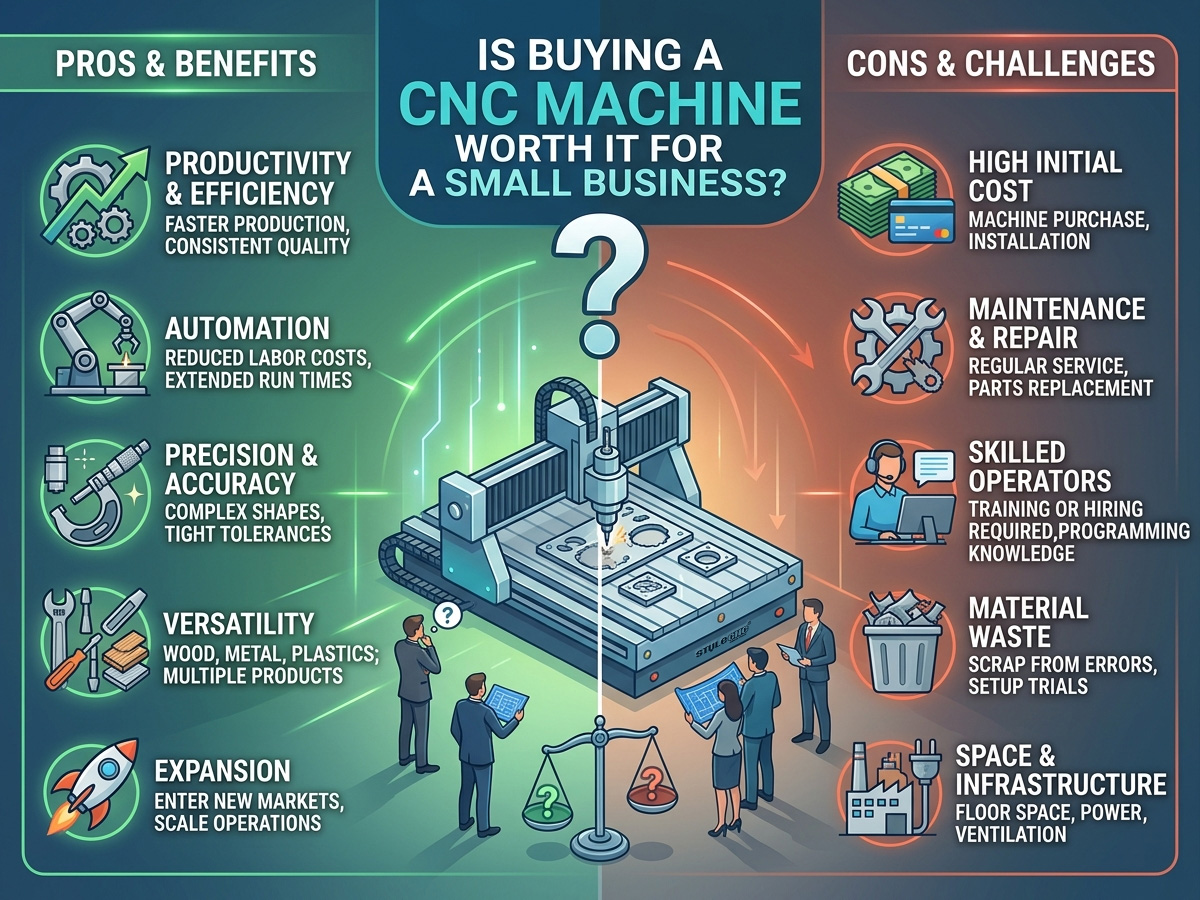
| ✔ Vantagens | ✘ Desafios |
|---|---|
| • Produz peças idênticas com precisão submilimétrica em cada lote. | • Investimento inicial significativo em equipamentos de qualidade |
| • Reduz a dependência de mão de obra e acelera a produção de 3 a 10 vezes em comparação com o processo manual. | • Curva de aprendizado para software CAD/CAM e operação de máquinas |
| • Possibilita ofertas de produtos personalizados a preços premium. | • Custos contínuos com ferramentas, manutenção e materiais |
| • As máquinas podem funcionar sem supervisão com a configuração e segurança adequadas. | • Requer espaço de trabalho dedicado com energia elétrica e ventilação. |
| • Abre o acesso à receita de fabricação por contrato B2B | • É necessário realizar pesquisas de mercado para evitar nichos de produtos saturados. |
Quando vale a pena (e quando não vale) a pena comprar uma máquina CNC?
Um investimento em CNC faz muito sentido financeiramente quando:
✔ Você já tem uma ideia de produto ou uma base de clientes que exige fabricação de precisão.
✔ Você está gastando mais de $5Terceirização de serviços CNC para oficinas terceirizadas, no valor de 00/mês.
✔ Seus métodos de produção manual atuais criam gargalos que limitam o crescimento da receita.
✔ Você pode realisticamente dedicar mais de 20 horas por semana ao tempo de execução da máquina.
✔ Você está disposto a investir de 3 a 6 meses no aprendizado de CAD/CAM e operação de máquinas?
Considere adiar a compra se:
• Você ainda não identificou claramente seu mercado ou base de clientes.
• Seu volume de produção mensal projetado deixaria a máquina ociosa. 80%+ do tempo.
• Seu orçamento disponível cobre apenas a máquina, mas não as ferramentas, o software e os materiais.
Perspectivas do mercado de CNC: por que agora é um bom momento para investir
O mercado global de máquinas CNC está experimentando um crescimento sustentado, impulsionado pela automação da manufatura, iniciativas de relocalização da produção e expansão na produção de veículos elétricos, aeroespacial e de dispositivos médicos. Analistas do setor projetam que o mercado crescerá de aproximadamente $101 bilhão em 2025 para mais de $195 bilhões até 2032, refletindo uma taxa de crescimento anual composta próxima de 10%A América do Norte está emergindo como a região de crescimento mais rápido, impulsionada por incentivos à produção nacional e pela adoção de fábricas inteligentes.
Para os proprietários de pequenas empresas, essa macrotendência se traduz em uma crescente demanda local por peças de precisão, serviços de prototipagem e fabricação personalizada. As empresas que estabelecem capacidades de usinagem CNC agora se posicionam para conquistar trabalho à medida que as cadeias de suprimentos continuam a se localizar e os grandes fabricantes buscam parceiros de pequeno porte confiáveis para produção excedente e pedidos especializados de curto prazo.
Veredito final: Devo comprar uma máquina CNC?
Uma máquina CNC é um dos investimentos de capital mais produtivos que uma pequena empresa pode fazer, desde que a abordagem seja focada no mercado, com expectativas de custos realistas e comprometimento com o aprendizado da tecnologia. Os dados comprovam o forte retorno: retorno do investimento geralmente ocorre entre 6 e 18 meses para pequenas oficinas, margens de lucro líquido de 15% a 35% para operações bem administradas e demanda crescente em praticamente todos os setores da indústria.
Comece definindo seu nicho de mercado, calculando o custo total de propriedade e criando um pequeno portfólio de produtos de amostra. Em seguida, selecione uma máquina que atenda às suas necessidades específicas de produção e ao seu orçamento. Com preços definidos e marketing consistente, um negócio de usinagem CNC pode proporcionar independência financeira e realização criativa por muitos anos.
Pronto para escolher sua primeira máquina CNC? Explore toda a linha de produtos. STYLECNC catálogo de produtos Compare roteadores, lasers, cortadores de plasma e fresadoras com consultoria especializada gratuita e envio para todo o mundo.